
Uncategorized
التحول الرقمي لا يبدأ بشراء التكنولوجيا
أن التحول الرقمي لا يتحقق بمجرد شراء أنظمة حديثة، أو استخدام برامج متقدمة، أو نقل بعض الإجراءات إلى منصات إلكترونية. لكن الواقع يوضح أن الشركات التي تستخدم التقنيات نفسها قد

أن التحول الرقمي لا يتحقق بمجرد شراء أنظمة حديثة، أو استخدام برامج متقدمة، أو نقل بعض الإجراءات إلى منصات إلكترونية. لكن الواقع يوضح أن الشركات التي تستخدم التقنيات نفسها قد

What’s changing, and what’s not As Autodesk Construction Cloud joins Autodesk Forma, product naming will evolve to reflect its place within the Forma industry cloud. For example: Docs -> Forma
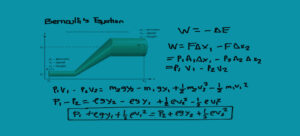
معادلة برنولي تعتبر من أهم أساسيات علم ميكانيك الموائع, وتُعتبر حجر الأساس في عملية تصميم مجاري الهواء والأنابيب من حيث تحديد أبعاد المجاري والأنابيب, وحسابات المراوح والمضخات وغيرها الكثير, لهذا